Protein is one of the three macronutrients your body cannot function without, playing a central role in muscle repair and growth, hormone production, immune function, and keeping you feeling full between meals. Whether your goal is building muscle, losing fat, or simply feeling more satisfied after eating, understanding which foods deliver the most protein per serving can make a real difference in how you plan your meals. This guide covers the best animal-based and plant-based high protein foods, how much protein you actually need, and practical tips for hitting your protein goals consistently.
Protein is made up of amino acids, the building blocks your body uses to repair muscle tissue after exercise, produce enzymes and hormones, and support a healthy immune system. Unlike carbohydrates and fat, protein also has a higher thermic effect, meaning your body burns more calories digesting it, and it tends to be more satiating, helping control hunger and reduce overall calorie intake. This is why high protein diets are consistently linked to easier weight management and better preservation of lean muscle mass during weight loss.
Chicken breast is one of the most popular high protein choices, delivering roughly 31 grams of protein per 100 grams with very little fat. Eggs are a nutrient-dense option, with about 6 grams of protein per large egg along with essential vitamins and healthy fats. Greek yogurt stands out among dairy products, often containing 15 to 20 grams of protein per cup thanks to the straining process that removes excess whey. Cottage cheese is similarly protein-dense, with around 25 grams per cup, and its slow-digesting casein protein makes it a popular choice before bed. Salmon offers roughly 25 grams of protein per 100 grams along with beneficial omega-3 fatty acids. Lean beef delivers about 26 grams per 100 grams and is also rich in iron and B12, both important for energy and red blood cell production.
For anyone eating less meat or following a vegetarian or vegan diet, there are still plenty of strong protein sources available. Lentils provide about 18 grams of protein per cooked cup along with a significant amount of fiber. Chickpeas offer roughly 15 grams per cooked cup and are versatile in salads, curries, and roasted snacks. Tofu delivers around 10 grams per half cup and absorbs flavor well, making it adaptable across many cuisines. Tempeh, a fermented soy product, is even more protein-dense at about 15 to 20 grams per half cup, with the added benefit of fermentation supporting gut health. Edamame provides roughly 17 grams per cup and works well as a snack or salad addition. Quinoa, while lower in protein than the others at about 8 grams per cooked cup, is a complete protein containing all nine essential amino acids, which is relatively rare among plant foods.
Protein needs vary based on activity level, age, and goals. Most sedentary adults do reasonably well on around 0.8 grams per kilogram of body weight per day, which is the standard baseline recommendation. However, for active individuals, those strength training regularly, or anyone trying to build or preserve muscle while losing fat, research generally supports a higher intake of 1.2 to 2.0 grams per kilogram of body weight daily. For a 70 kilogram person, that translates to roughly 84 to 140 grams of protein spread across the day, which is easily achievable by combining a few servings from the food lists above.
How you spread your protein intake across the day matters almost as much as the total amount. Research suggests that spreading protein intake across three to four meals, with 20 to 40 grams per meal, is more effective for muscle protein synthesis than eating the majority of your protein in one large meal at dinner. This means aiming for a solid protein source at breakfast, such as eggs or Greek yogurt, rather than saving all your protein for later in the day, tends to produce better results for both muscle building and satiety throughout the day.
Meal prepping protein sources in bulk, grilled chicken, hard boiled eggs, or cooked lentils, makes it much easier to hit your daily target without extra effort each meal. Keeping quick, portable options on hand, Greek yogurt cups, string cheese, or roasted edamame, helps prevent low protein snacking on chips or sweets when hunger strikes between meals. Adding a scoop of protein powder to smoothies or oatmeal is a simple way to boost intake without needing to cook anything extra. Tracking your intake for even just a week using a food journal or app can reveal whether you are consistently falling short of your target and where the easiest opportunities are to add more protein.
Can you eat too much protein? For most healthy individuals, moderately high protein intake, even up to 2 grams per kilogram of body weight, is considered safe, though people with existing kidney conditions should consult a doctor before significantly increasing intake. Is plant protein as good as animal protein? Plant proteins can absolutely support muscle growth and health, though most individual plant sources are missing one or more essential amino acids, which is why combining different plant proteins throughout the day, like rice and beans, or quinoa and lentils, is recommended. What is the best time to eat protein for muscle growth? Spreading intake evenly across meals, including a solid serving within a couple hours after exercise, tends to produce the best results for muscle protein synthesis.
A frequent mistake is loading up on protein at dinner while barely getting any at breakfast, research suggests this uneven distribution is less effective for muscle building than spreading protein evenly across the day. Another mistake is relying too heavily on protein bars and shakes while neglecting whole food sources, which also provide important vitamins, minerals, and fiber that processed protein products often lack. People also sometimes assume all protein sources are equal regardless of preparation, breading and deep frying a chicken breast adds significant calories and reduces the overall nutritional value compared to grilling or baking it.
A high protein breakfast might include scrambled eggs with a side of Greek yogurt and berries, delivering close to 30 grams of protein before you even leave for work. A high protein lunch could be a grilled chicken salad with chickpeas and a light vinaigrette, combining both animal and plant protein sources for variety. For dinner, a piece of baked salmon alongside quinoa and roasted vegetables rounds out the day with another substantial protein serving while also delivering healthy fats and fiber. Snacking on cottage cheese, edamame, or a hard boiled egg between meals helps keep your total protein intake on track without requiring extra planning.
Protein needs are not static across your lifespan, older adults generally need slightly more protein than younger adults to help counteract natural age-related muscle loss, often benefiting from intakes closer to 1.2 grams per kilogram even without intense exercise. Pregnant and breastfeeding individuals also have increased protein needs to support fetal growth and milk production. Athletes in heavy training blocks may temporarily need intakes at the higher end of the 2.0 gram per kilogram range to support recovery and adaptation from intense training loads.
Complete proteins contain all nine essential amino acids your body cannot produce on its own, most animal proteins are naturally complete, while many individual plant proteins are missing one or more. Combining complementary plant proteins throughout the day, such as rice with beans, hummus with whole wheat pita, or peanut butter on whole grain bread, ensures you are still getting a full amino acid profile even on a primarily plant-based diet. You do not need to eat complementary proteins in the same meal, as was once commonly believed, simply getting a variety across the day is enough for your body to use them effectively.
Getting enough protein does not need to be complicated, focus on including a solid source at each meal, mix animal and plant sources based on your preferences, and adjust your total intake based on your activity level and goals. Small, consistent choices, a boiled egg here, a scoop of Greek yogurt there, add up to a genuinely high protein diet over the course of a week without requiring dramatic changes to how you eat.
A full keto Thanksgiving spread — turkey, sides, and dessert — without breaking your carb budget.
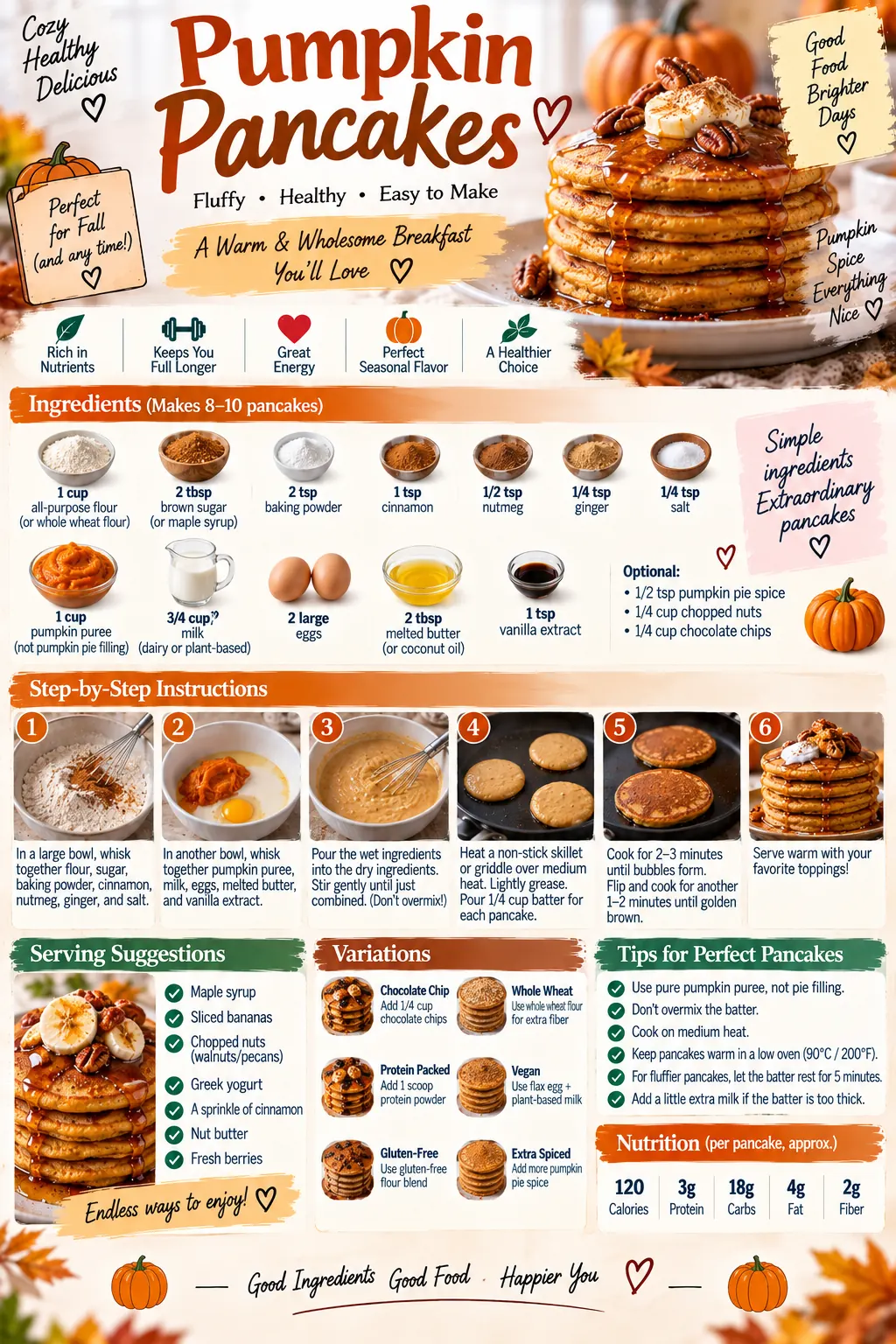
Fluffy, spiced pumpkin pancakes perfect for a cozy fall breakfast.

20 stunning hair color ideas that look especially gorgeous on long hair.